
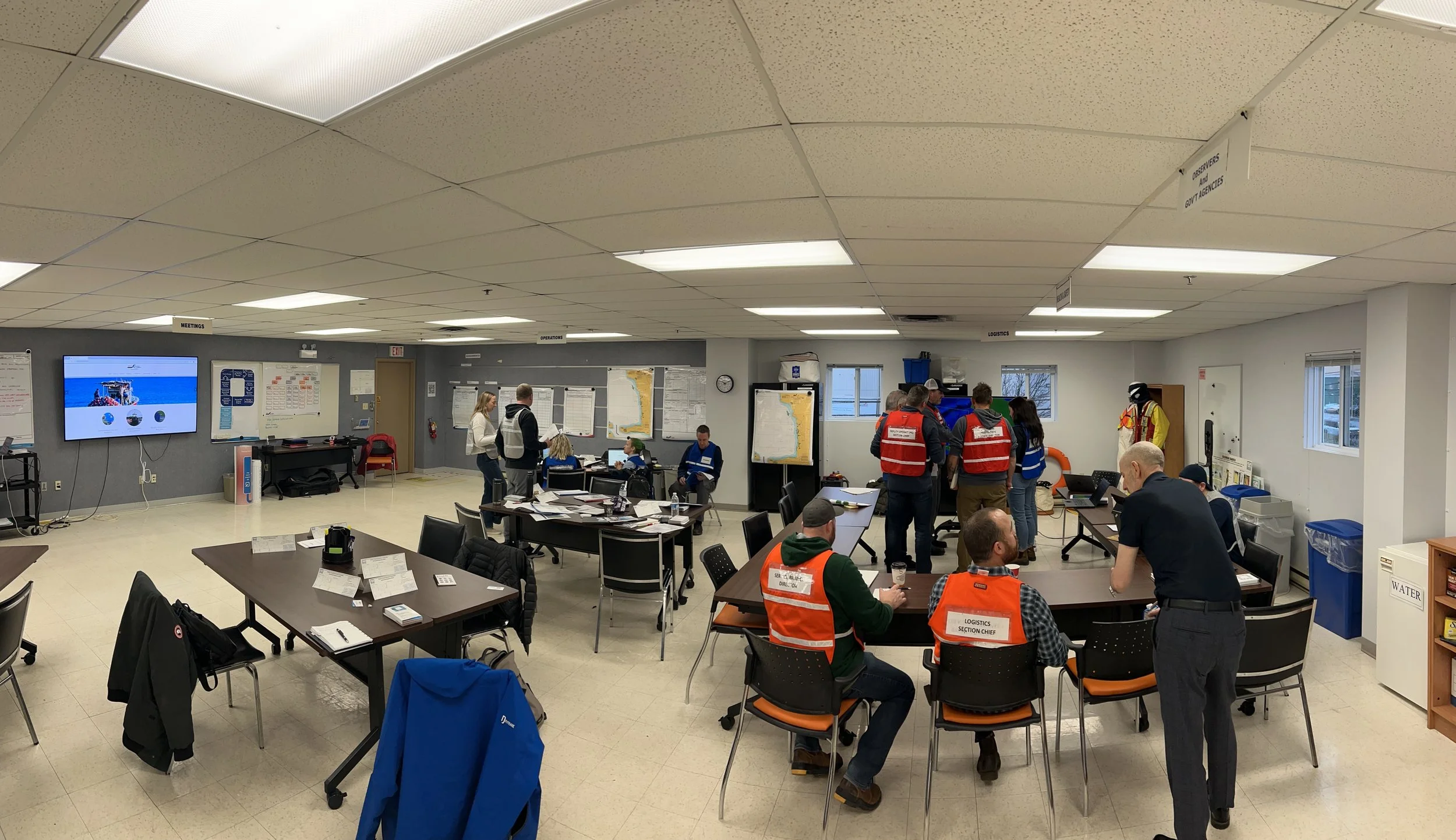
SpillConsult are lead providers of ICS training outside of America, having delivered training to over 700 delegates with an average feedback score of 4.8 out of 5.
The ICS 200 – ICS for Single Resources and Initial Action Incidents course builds on the foundational knowledge gained from the ICS 100. Delivered on our e-Learning platform Articulate, this is a standard online course, however we can deliver bespoke versions if required. Is it recommended that participants complete the ICS 100 course as a prerequisite.
What is ICS 200?
This course focuses on leadership, delegation of authority, management by objectives and managing resources during initial incident action phases. It concentrates on the management of single resources and initial action incidents, teaching supervisory personnel how to apply ICS principles in real response situations.
Who is it suitable for?
This self-paced e-Learning course is designed for emergency response professionals, incident supervisors and operational leaders who need practical ICS capability within their organisations.
ICS 200 (IMS 200) Incident Command Systems for initial incident actions and the management of single resources. Building on the knowledge learnt from ICS 100, the ICS 200 course provides training for personnel who are likely to assume a supervisory role within an incident management team in their organisation.
IMPORTANT ENROLLMENT NOTICE:
Access to the course content is not instant. After purchase, our team will manually enroll you in our learning platform within 1 working day. You will receive a separate email with your login details.
We have the capability to provide this course in Arabic, ensuring full-accessibility for Arab-speaking participants.
The course includes:
Delegation of authority and leadership skills within an incident command structure
Management by objectives to effectively guide incident response operations
Resource management of personnel, teams, and equipment
Procedures for transfer of command during evolving incidents
Application of ICS principles to real-world initial action scenarios
Organisational flexibility and functional roles in single-resource incidents
Learning outcomes:
Upon successful completion of the ICS 200 course, participants will be able to:
Explain ICS organisation structures appropriate to incident complexity
Apply leadership and management principles in an ICS context
Describe delegation of authority and management by objectives
Identify functional areas, roles and responsibilities in ICS
Conduct effective briefings and incident communications
Demonstrate understanding of organisational flexibility
Explain principles and process for transfer of command between supervising personnel
Why SpillConsult for ICS 200 Training?
• Real-world oil spill case studies
• Industry-relevant scenarios
• Practical exercise integration
• Emergency response expertise
• International operational experience
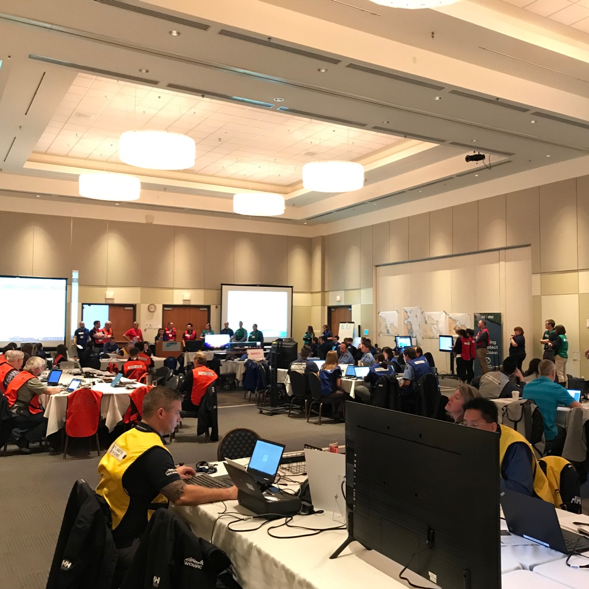
Related Courses:
ICS 100 (IMS 100) This course is an Introduction to the Incident Command System, it introduces the Incident Command System (ICS) and provides the foundation for other levels of ICS training. This course covers the history, features, principles, facilities used and organisational structure of the Incident Command System.
IMPORTANT ENROLLMENT NOTICE:
Access to the course content is not instant. After purchase, our team will manually enroll you in our learning platform within 1 working day. You will receive a separate email with your login details.
This ICS (IMS) Refresher has been designed as a condensed four module training course for those who would benefit from a refresher of the key topics covered in the Incident Command System, without the need to take a full course.
This course provides an interactive, yet detailed overview of the most important topics from ICS 100, 200 & 300.
The four modules covered are:
Principles & Features of ICS
Initial Response – the Reactive Phase
Transitioning from Reactive to Proactive Response
Proactive Phase – Planning Cycle, Meetings & Briefings
These modules are also available for purchase individually, for bite-sized learning on a certain topic.
IMPORTANT ENROLLMENT NOTICE:
Access to the course content is not instant. After purchase, our team will manually enroll you in our learning platform within 1 working day. You will receive a separate email with your login details.
With this bundle you get both the ICS 100 and 200.
ICS 100 (IMS 100) is an Introduction to the Incident Command System, it introduces the Incident Command System (ICS) and provides the foundation for other levels of ICS training.
ICS 200 (IMS 200) Incident Command Systems for initial incident actions and the management of single resources. Building on the knowledge learnt from ICS 100, the ICS 200 course provides training for personnel who are likely to assume a supervisory role within an incident management team in their organisation.
IMPORTANT ENROLLMENT NOTICE:
Access to the course content is not instant. After purchase, our team will manually enroll you in our learning platform within 1 working day. You will receive a separate email with your login details.
FAQs
Do I need to complete ICS 100 before taking ICS 200?
Yes. ICS 100 is strongly recommended as a prerequisite before undertaking ICS 200. ICS 200 builds upon the foundational concepts introduced in ICS 100 and expands into supervisory and initial action incident management.
How long does the ICS 200 course take to complete?
The ICS 200 online course typically takes 2–4 hours to complete, depending on the participant’s prior experience with the Incident Command System. Learners can complete the course at their own pace.
Is the ICS 200 certificate nationally or internationally recognised?
ICS is a globally recognised incident management framework used in emergency services, oil & gas, maritime and industrial sectors. While ICS 200 certification is not a university-accredited qualification, it demonstrates competency in ICS supervisory principles and is widely accepted within professional emergency response environments.